European motorways are changing faster in 2026 than in previous years. It is no longer just about building new sections, but mainly about modernizing transport as a whole, stricter regulations, digitalization, and growing pressure to manage enormous traffic volumes across the continent.
Today, drivers traveling across Europe deal with different issues than they did ten years ago. In addition to traditional traffic jams and roadworks, electronic vignettes, intelligent traffic management, environmental restrictions, and extreme seasonal traffic are becoming increasingly important.
The year 2026 clearly shows that European motorways are no longer only about asphalt, but increasingly about technology and real-time traffic management.
What’s New on European Motorways in 2026
European motorways are changing faster in 2026 than in previous years. It is no longer just about building new sections, but mainly about modernizing transport as a whole, stricter regulations, digitalization, and growing pressure to manage enormous traffic volumes across the continent.
Today, drivers traveling across Europe deal with different issues than they did ten years ago. In addition to traditional traffic jams and roadworks, electronic vignettes, intelligent traffic management, environmental restrictions, and extreme seasonal traffic are becoming increasingly important.
The year 2026 clearly shows that European motorways are no longer only about asphalt, but increasingly about technology and real-time traffic management.
European Motorways Are More Crowded Than Ever
Traffic across Europe continues to grow, and this is most visible on the main international corridors. Routes toward the sea, across the Alps, or between Western and Eastern Europe are significantly busier during the holiday season than they were just a few years ago.
Major factors include:
Stronger tourist traffic
Growth in truck transport
Cheaper car travel
Shift of part of transport from airplanes to roads
During certain periods, the biggest problem is no longer infrastructure quality, but simply capacity itself.
Electronic Vignettes and Automatic Controls Are Becoming the Standard
The year 2026 confirms a trend that has been visible in Europe for several years – traditional paper or sticker motorway vignettes are gradually disappearing.
More and more countries are switching to:
Electronic vignettes
Camera-based checks
Automatic toll systems
For drivers, this means more convenient purchasing, but at the same time much less room for mistakes. An incorrectly entered license plate or an invalid vignette is now usually detected automatically within seconds.
Intelligent Motorways: Speed Limits Are No Longer Always Fixed
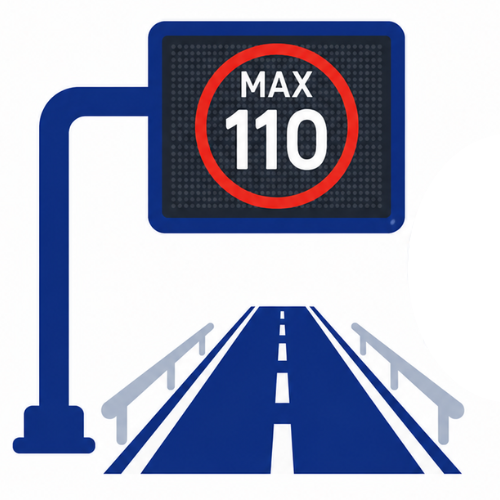
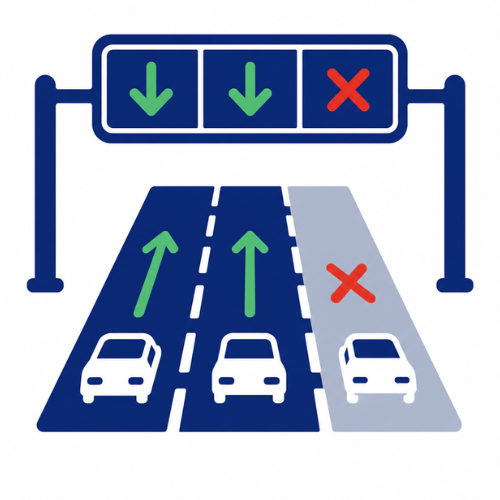
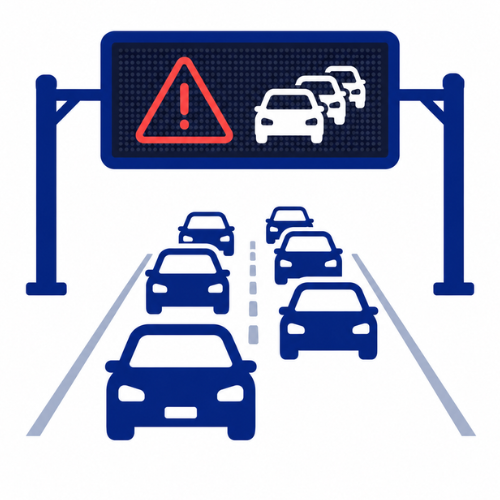
In 2026, intelligent traffic management systems continue expanding across many European motorways. Variable signs now commonly adjust:
Maximum speed limits
Lane usage
Warnings about accidents or traffic jams
Drivers increasingly need to get used to the fact that speed limits are no longer fixed, but change depending on traffic or weather conditions.
The main goals are:
Improving safety
Smoother traffic flow
Reducing traffic jams
Alpine Corridors Are Under Enormous Pressure
One of the biggest problems in European transport remains congestion on Alpine routes. Main tunnels and mountain motorways experience extreme traffic during the holiday season, and traffic jams lasting several hours are not unusual.
European countries are therefore investing in:
Tunnel modernization
Safety systems
Real-time traffic management
At the same time, the environmental impact of traffic through sensitive mountain regions is becoming an increasingly important topic.
Repairs and Modernization Slow Traffic More Than Before
Many European motorways were built decades ago, and in 2026 it is becoming increasingly clear that infrastructure requires extensive repairs.
As a result, major routes are seeing more:
Narrowed lanes
Long-term reconstruction works
Night closures
Speed restrictions
Paradoxically, some of the largest traffic jams are now caused not by accidents, but by modernization works themselves.
Truck Transport Continues to Grow
Europe is becoming increasingly interconnected, and freight transport volumes are growing on almost all major corridors. This is especially visible:
On routes between Western and Eastern Europe
Around major ports
On corridors toward the Balkans or Turkey
Electric Vehicles Are Changing Motorway Services
European motorways are rapidly adapting to the growing number of electric vehicles. In 2026, there is a significant increase in:
Fast-charging stations
Charging hubs at rest areas
Services focused on electric mobility
On some major routes, it is already possible to travel across several countries with an electric vehicle without major complications.
Environmental Regulations Are Beginning to Affect Road Rules
The year 2026 brings further tightening of environmental regulations. Some countries are introducing:
Stricter emission restrictions
Regulation of truck transport
Higher fees for more polluting vehicles
The Biggest Difference Today Is Timing the Journey Correctly
The quality of European motorways is generally very high today. However, what often determines how fast the journey will be is not the infrastructure itself, but:
Day of the week
The season
The weather
Current restrictions
Proper timing can now save more time than the difference between individual routes themselves.